
Proactive Poultry Flock Health Monitoring Strategies
Learn practical strategies for monitoring flock behavior, environmental conditions, and documenting records for veterinary review in poultry operations.
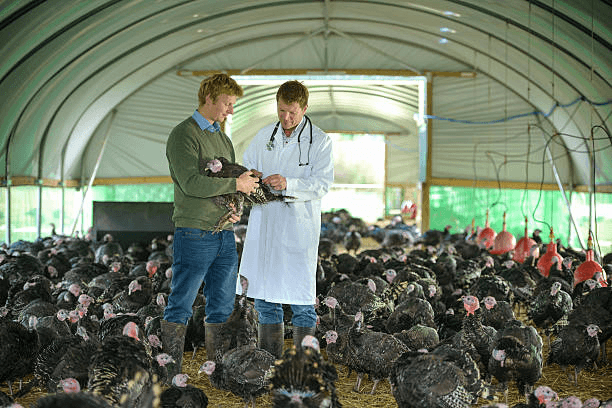
The Importance of Proactive Flock Management
In commercial poultry operations, managing the health of the flock requires a systematic approach. Effective flock health monitoring relies on careful observation, meticulous record-keeping, and adherence to biosecurity protocols. The goal is to document deviations from normal behavior or performance to support timely veterinary review.
Key Pillars of Flock Observation
Daily observation is foundational in poultry management. Experienced managers document specific performance metrics to maintain a clear picture of flock health.
- Behavior and Activity: Managers should note if birds are active and evenly distributed. Huddling, lethargy, or reluctance to move are important observations. Vocalizations should be normal; documenting excessive respiratory noise provides valuable context for a veterinarian.
- Feed and Water Consumption: Tracking daily intake is a core management practice. A sudden drop in water consumption is an important metric to record, as it may prompt further evaluation.
- Mortality Monitoring: Daily mortality logs should be maintained and analyzed for patterns related to specific areas of the house or bird age. Consistent recording of this data supports informed decision-making.
- Fecal Assessment: The consistency and color of droppings provide insight into intestinal health. Abnormal droppings should be noted in the flock's health record.
Managing Environmental Conditions
The poultry house environment impacts flock health. Temperature and humidity must be controlled and adjusted as birds age. Monitoring ammonia levels is also a standard practice to support respiratory health and overall welfare.
Vaccination and Biosecurity Records
A structured vaccination program is essential. Digital platforms support consistent record-keeping by organizing lot numbers, administration dates, and booster schedules. Biosecurity, including access control and rigorous cleaning protocols, remains a critical preventative strategy.
Reviewing Records with VetAI
When abnormal signs are recognized, farm managers can use platforms like VetAI to organize and review these records. Providing a consulting poultry veterinarian with a centralized, digital overview of mortality trends, water consumption, and clinical observations helps the veterinary team review the information more efficiently and recommend appropriate diagnostic testing.
Sources & References
- World Poultry Science Association - Best practices in commercial poultry management.
- Avian Pathology Journal - Early detection of respiratory diseases in broiler flocks.
Related Articles
View all
Transitioning to Digital Animal Health Management on the Farm
Understand the progression from paper notebooks to centralized digital platforms, and why modern farms are making the transition.
Optimizing Livestock Health Management with Digital Records
Learn how comprehensive digital records support livestock health by organizing individual histories, vaccinations, and reproductive data at scale.
Maximizing Dairy Herd Health with Digital Management Tools
Explore how digital tools help organize dairy herd data, streamline preventative care tracking, and support veterinary collaboration.