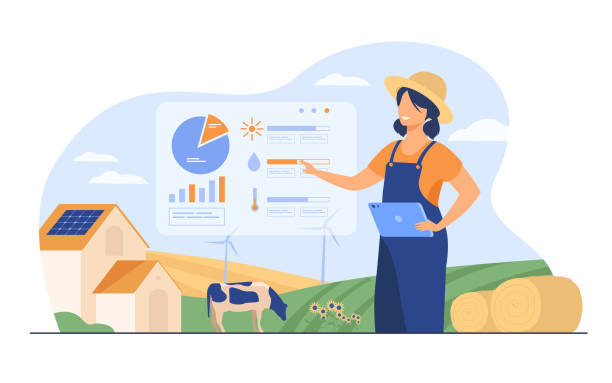
Transitioning to Digital Animal Health Management on the Farm
Understand the progression from paper notebooks to centralized digital platforms, and why modern farms are making the transition.
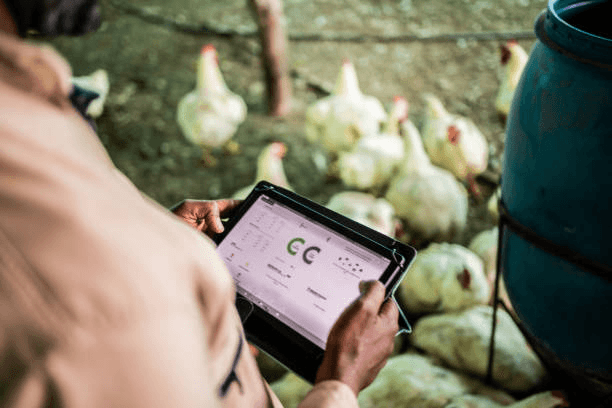
The Evolution of Farm Data Collection
Historically, a farm manager's most accessible tool was the pocket notebook, used to record calving dates, treatments, and feed details. As operations grew, notebooks often transitioned into clipboards or desktop spreadsheets. However, as modern agriculture scales, these fragmented systems can make it difficult to maintain a unified overview of farm operations.
The industry is transitioning toward centralized, digital animal health management platforms to help organize information more efficiently.
Comparing Information Management Systems
To understand the utility of digital platforms, it helps to review the progression of data management:
1. Paper Notes and Pocket Books
Benefits: Highly accessible and require no technical training.
Limitations: Paper is easily damaged or misplaced, and information is difficult to search quickly. Data is locked to a single physical location, limiting access for the rest of the team.
2. Spreadsheets
Benefits: Spreadsheets organize larger datasets and perform basic calculations.
Limitations: They can be cumbersome to update via mobile devices in the field and often lack the chronological context needed to view an individual animal's continuous health narrative.
3. Disconnected Apps and Messages
Benefits: Simple messaging apps improve immediate communication between staff regarding daily tasks.
Limitations: Information remains siloed. A text message about a treatment does not automatically update the animal's permanent health record, making it harder to track long-term history or organize withdrawal-time information.
4. Centralized Digital Health Records
Benefits: Modern platforms combine the accessibility of mobile apps with the structured storage of a database. When a worker logs an observation in the barn, the animal's centralized record is updated. The farm manager and the consulting veterinarian can review this organized data remotely.
Making the Transition with VetAI
For commercial operations where organizing data for hundreds of animals is a daily requirement, transitioning to a centralized digital platform like VetAI provides a structured solution. The primary value of a digital system is its ability to support consistent record-keeping and organize daily workflows, allowing farm teams to focus their efforts on animal care rather than managing paperwork.
Sources & References
- Journal of Extension - Adoption of precision agriculture technologies.
- Agriculture and Human Values - The digitization of agricultural knowledge.
Related Articles
View all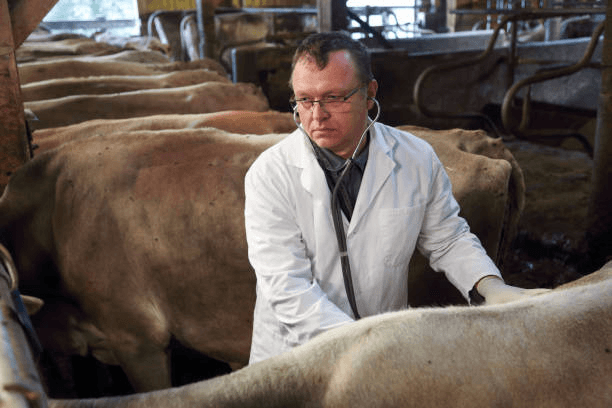
Optimizing Livestock Health Management with Digital Records
Learn how comprehensive digital records support livestock health by organizing individual histories, vaccinations, and reproductive data at scale.
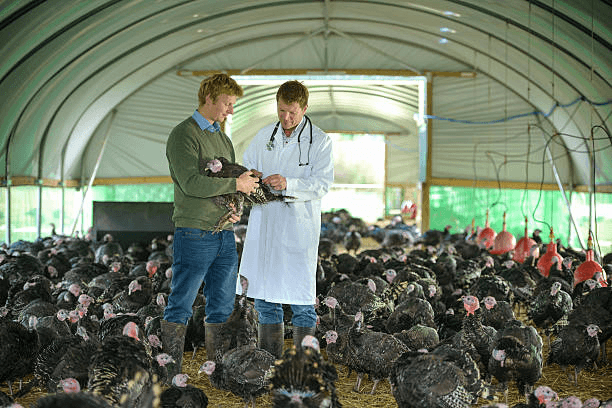
Proactive Poultry Flock Health Monitoring Strategies
Learn practical strategies for monitoring flock behavior, environmental conditions, and documenting records for veterinary review in poultry operations.
Maximizing Dairy Herd Health with Digital Management Tools
Explore how digital tools help organize dairy herd data, streamline preventative care tracking, and support veterinary collaboration.