
How AI Is Transforming Modern Animal Healthcare Workflows
Artificial intelligence is creating new ways for veterinary professionals and farm managers to organize information, identify patterns, and support informed decision-making.
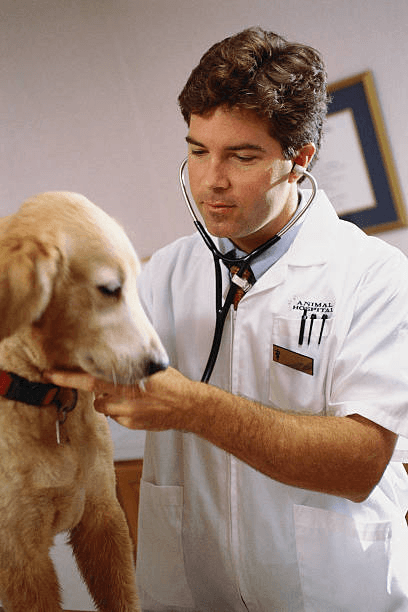
The Shift Toward Intelligent Assistance in Veterinary Medicine
Modern veterinary professionals and animal health teams navigate a growing challenge: managing complex patient histories and herd health data efficiently. The administrative load involved in daily practice and farm management is substantial.
Artificial intelligence (AI) has transitioned from a concept to a practical tool that helps organize this information. It is crucial to understand that in animal healthcare, AI acts as an "intelligent assistant"—a system capable of structuring data and providing decision support. It does not replace the clinical judgment or comprehensive evaluation provided by a licensed veterinarian.
Streamlining Information and Record Management
One of the most practical applications of AI is in record organization. Traditionally, patient information might be scattered across paper notes or disconnected systems, making it difficult to retrieve a comprehensive health history.
AI-assisted platforms help structure this data into a unified timeline. By categorizing clinical notes and extracting historical data—such as past treatments or vaccination schedules—these systems allow veterinarians to access an organized overview of a patient's history. This helps veterinary teams review information more efficiently, leaving more time to focus on clinical care.
Enhancing Image Organization and Pattern Recognition
AI also supports visual data management. Modern models can process veterinary imagery to help recognize patterns associated with various conditions.
When a veterinary technician or farm manager uploads an image of an animal exhibiting unusual symptoms, an AI-assisted system can analyze the data and generate potential observations. These AI-assisted insights are intended to highlight specific areas of interest for a closer veterinary inspection.
The Role of Decision Support
AI provides decision support, not definitive diagnoses. AI-assisted observations and health insights are intended to support veterinary review, requiring a qualified professional to consider the animal's full clinical picture.
Supporting Large-Scale Farm Workflows
In commercial poultry, livestock, and dairy operations, managing population health presents logistical challenges. AI-assisted tools help organize daily inputs such as feed consumption, environmental data, and mortality logs.
By aggregating this data, AI can highlight trends that might warrant further investigation. This allows farm managers to review their records more efficiently and consult their herd veterinarian to implement targeted management strategies.
A Collaborative Future with VetAI
The successful integration of AI into veterinary medicine hinges on a collaborative approach. Platforms like VetAI are designed to seamlessly support the existing workflows of veterinary professionals and farm managers, acting as an organizational tool to support informed decision-making and dedicated animal care.
Sources & References
- American Veterinary Medical Association (AVMA) - Digital transformation in veterinary practice.
- Journal of Veterinary Medical Education - The role of artificial intelligence in modern clinical settings.
Related Articles
View all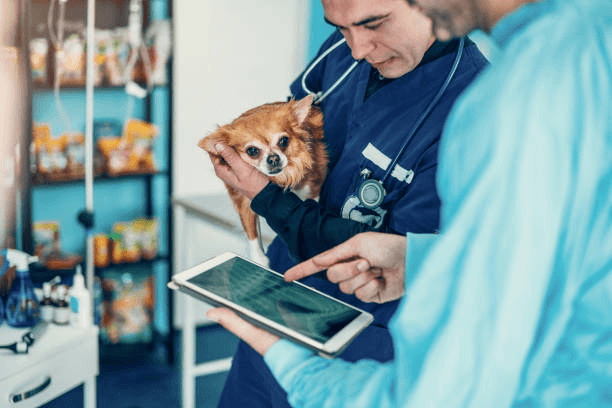
The Role of AI-Assisted Decision Support in Veterinary Care
Learn what AI-assisted decision support entails, its practical applications, and why professional veterinary review remains indispensable.
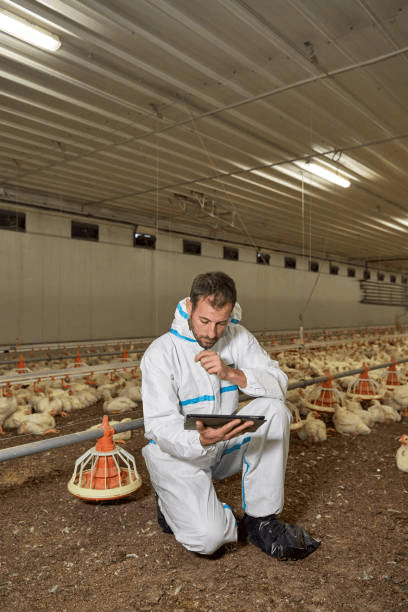
The Strategic Advantage of Digital Animal Health Records
Discover how transitioning to organized digital records supports care continuity, preventative health tracking, and overall operational efficiency.
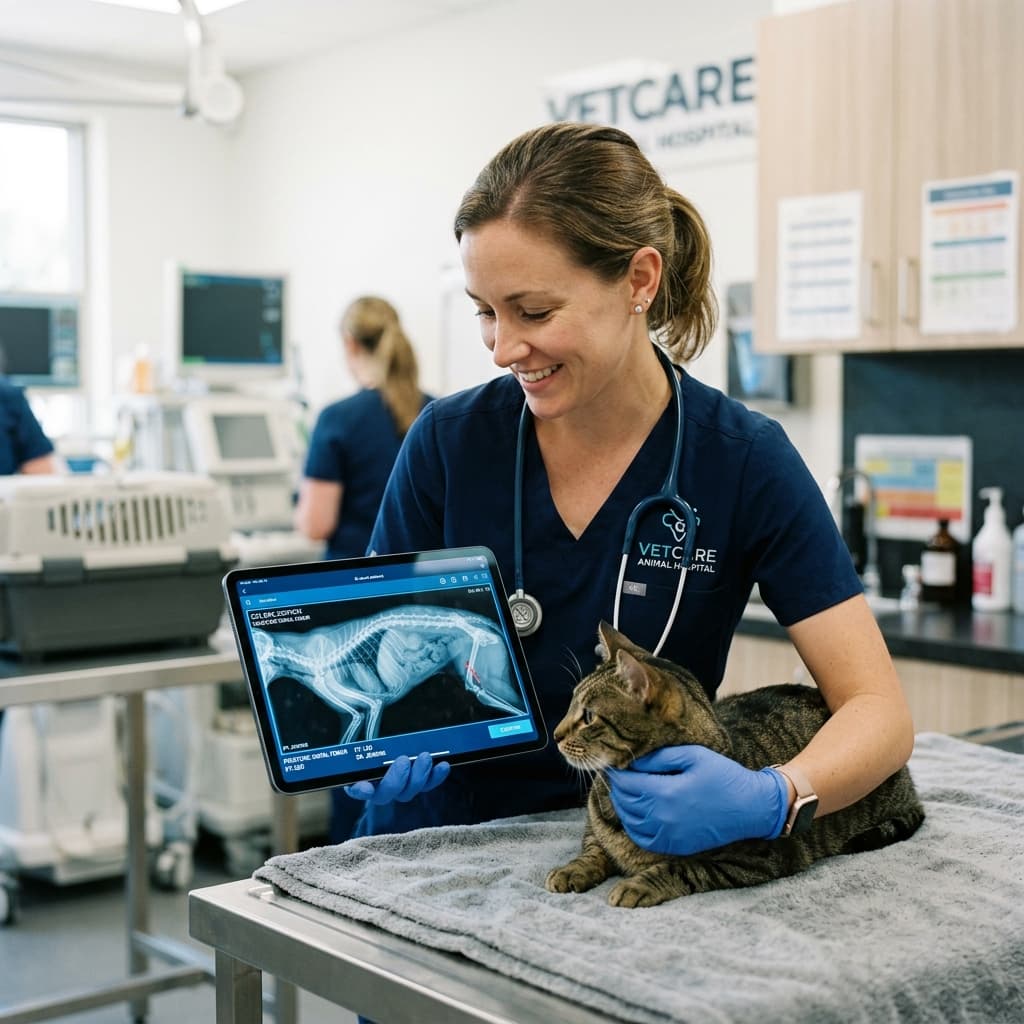
Understanding AI-Assisted Animal Health Assessments
Explore the workflow of AI-assisted health assessments and how they provide structured decision support for veterinary professionals.