
Understanding AI-Assisted Animal Health Assessments
Explore the workflow of AI-assisted health assessments and how they provide structured decision support for veterinary professionals.
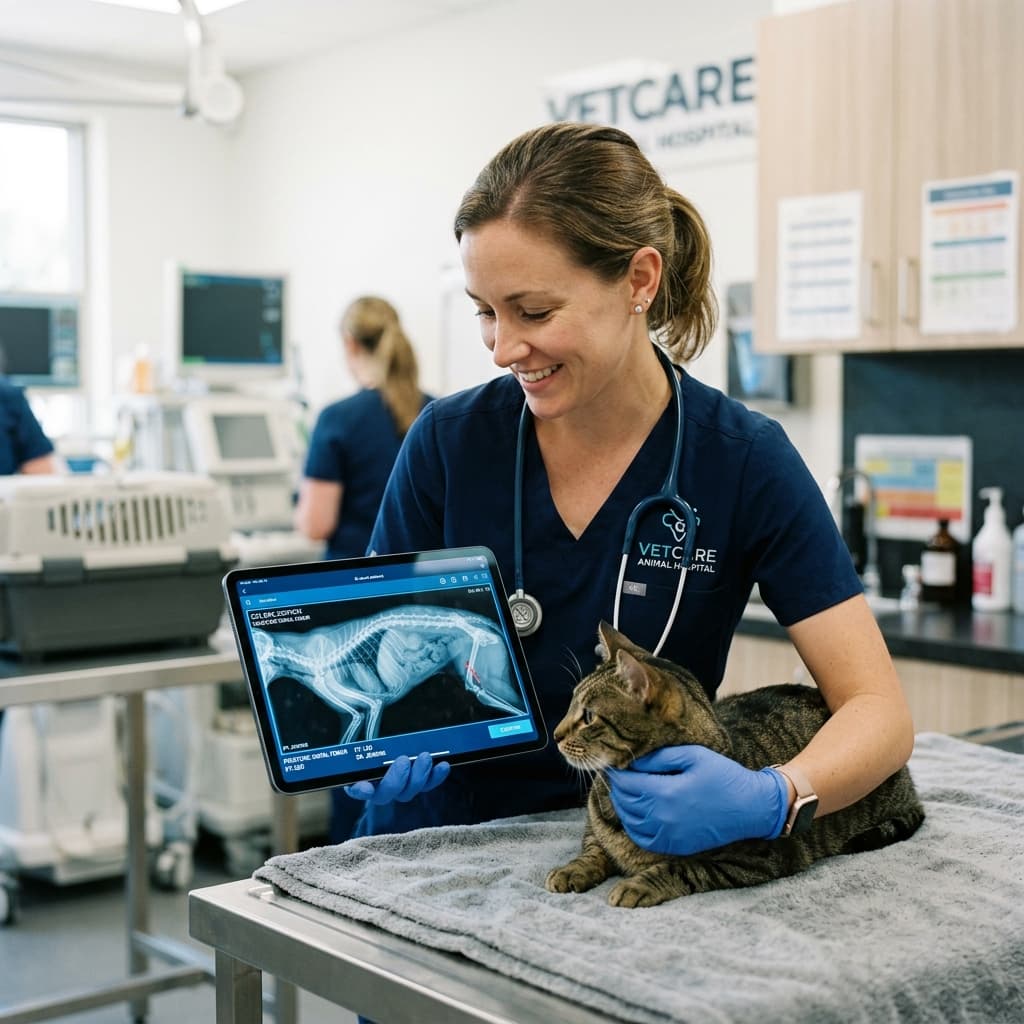
Bridging the Gap Between Observation and Insight
An evolving area in veterinary technology is the application of machine learning to assist in organizing health assessments. For many animal owners and farm managers, gathering enough context to help a veterinarian evaluate a case can be challenging. AI-assisted health assessment tools are designed to provide a structured, data-driven methodology for evaluating visual and historical information for veterinary review.
The Assessment Workflow
To understand how AI supports the clinical process, it is helpful to look at the workflow of an AI-assisted platform like VetAI:
1. Information and Image Upload
A user—such as a veterinary technician or farmer—inputs structured data about the animal's condition, including the duration of symptoms and observed changes. The user also uploads clear images of the affected area or a video demonstrating the animal's movement or breathing.
2. AI-Assisted Analysis
The AI engine processes the submitted data. Using models trained on veterinary datasets, the AI analyzes the visual patterns and cross-references the text descriptions to organize the clinical information.
3. Generating Structured Insights
Based on the analysis, the system generates AI-assisted observations and health insights. These are not definitive diagnoses. Instead, they are structured observations that highlight visual characteristics or patterns that share similarities with documented cases, intended to support veterinary review.
4. Veterinary Professional Review
The AI-generated insights, along with the original images and history, are presented to a licensed veterinarian. The veterinarian uses the AI's report as decision support—an organized summary that highlights areas for further investigation. The veterinarian integrates these observations with their clinical experience and physical examinations to determine a diagnosis and treatment plan.
The Principle of Decision Support
AI-assisted decision support is not a replacement for a licensed veterinarian. AI models provide information organization and pattern recognition. Clinical judgment, diagnosis, and treatment decisions remain the exclusive responsibility of the veterinary professional.
Supporting Information Organization
While AI does not diagnose, its ability to quickly organize information is valuable for case management. It provides a structured way to document visual changes over time, offering the veterinarian an organized history to support informed decision-making.
Sources & References
- Frontiers in Veterinary Science - Artificial Intelligence in Veterinary Medicine.
- Veterinary Clinics of North America - Small Animal Practice: Technology and Innovation.
Related Articles
View all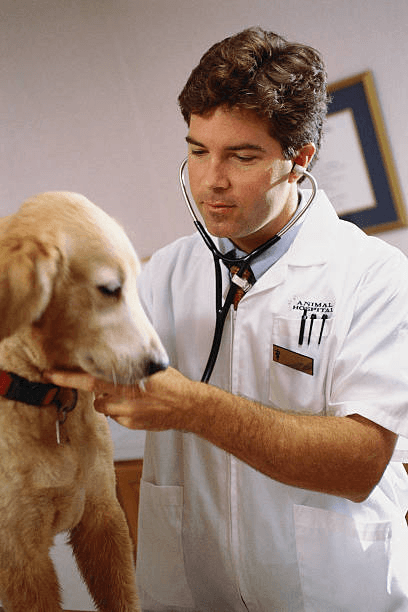
How AI Is Transforming Modern Animal Healthcare Workflows
Artificial intelligence is creating new ways for veterinary professionals and farm managers to organize information, identify patterns, and support informed decision-making.
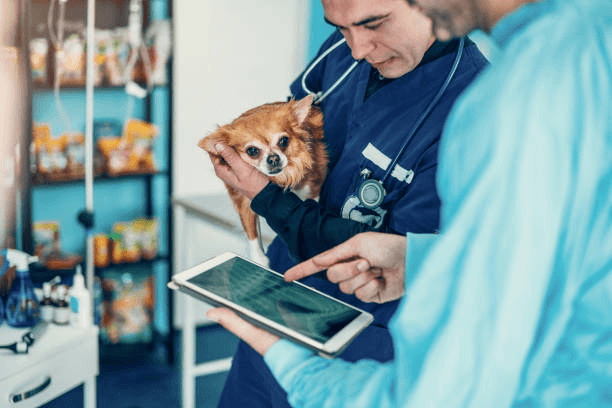
The Role of AI-Assisted Decision Support in Veterinary Care
Learn what AI-assisted decision support entails, its practical applications, and why professional veterinary review remains indispensable.
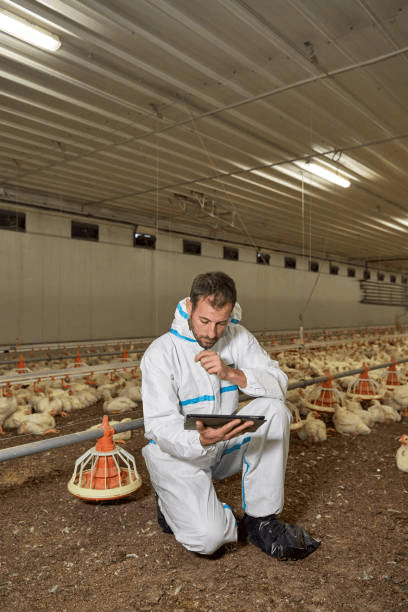
The Strategic Advantage of Digital Animal Health Records
Discover how transitioning to organized digital records supports care continuity, preventative health tracking, and overall operational efficiency.